
An underground greenhouse, often called a walipini (a word meaning “warmth” in the Aymara language), is one of the smartest ways to grow food year-round by using nature itself as insulation. Instead of battling cold winters, wind, or extreme temperature changes, a walipini works with the earth. By building below ground level, you benefit from stable soil temperatures, reduced heat loss, and natural protection from harsh weather.
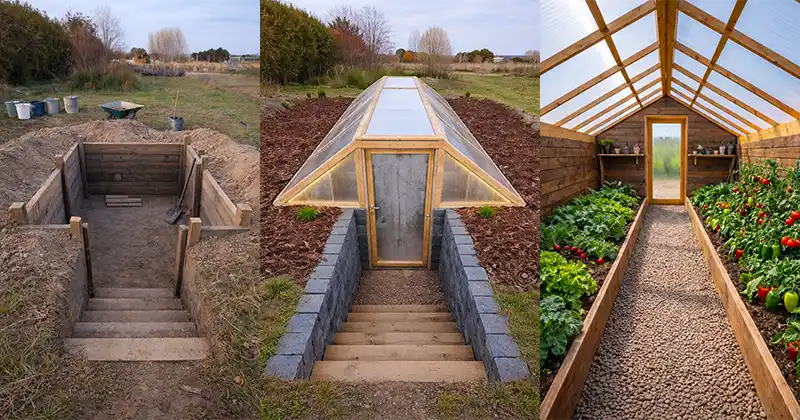
This method has been used for decades in cold and high altitude areas, but today it is gaining popularity worldwide among gardeners, homesteaders and anyone who wants reliable harvest yields with lower energy costs. In this article, you will learn why an underground greenhouse is so effective and how to build one step by step using simple materials and practical design principles.
Why build an underground greenhouse (Walipini)?
1. Stable temperatures all year round
Below a height of about 1.5-2 meters, the soil temperature remains relatively constant all year round. While the air temperature can drop well below freezing or rise sharply in summer, the soil remains cool in the warm months and warm in the winter. This creates a naturally regulated growing environment.
2. Lower heating costs
Traditional greenhouses often require heaters in the winter. A walipini dramatically reduces or eliminates this need because the surrounding soil acts as a thermal battery, storing heat during the day and releasing it slowly at night.
3. Wind and Storm Protection
The fact that the greenhouse is mostly underground means that it is protected from strong winds, hail, heavy snow and storms. This reduces damage and extends the lifespan of the greenhouse.
4. Longer growing season
In many climates, you can grow vegetables 10-12 months a year, even when outdoor gardening is impossible.
5. Water efficiency
Lower wind impact and stable temperatures reduce evaporation, meaning plants require less frequent watering.
6. Sustainable and environmentally friendly
Walipinis rely on passive solar heating instead of fossil fuels, making them one of the most environmentally friendly greenhouse designs available.
7. Food security
With year-round production, you are less dependent on external food supply chains and seasonal restrictions.
To get the complete cooking steps, please go to the next page or use the Open button (>), and don’t forget to SHARE with your Facebook friends
.How a Walipini Works (Simple Explanation)
A walipini uses three natural principles:
Thermal mass – the ground absorbs and stores heat.
Solar infiltration – sunlight penetrates through a transparent roof.
Insulation – underground walls prevent heat loss.
During the day, sunlight heats the soil inside the soil and the surrounding soil. At night, the stored heat is slowly released, keeping the plants warm even when the temperature outside drops.
Choosing the right location
Before building, it is important to choose the right location.
Ideal conditions:
Good drainage (avoid flood-prone areas)
South-facing slope or open southern exposure (in the northern hemisphere)
Away from large trees and roots
Low water table
Easy access to water
If your soil becomes waterlogged after rain, consider installing drainage or choosing a higher ground.
Basic Design Principles
Depth
Most walipinis are dug 1.8 to 2.5 meters (6-8 feet) deep.
Orientation
The roof should face the sun:
South-facing in the Northern Hemisphere
North-facing in the Southern Hemisphere
Roof Angle
The transparent roof should be angled between 30° and 45° to maximize winter sun exposure.
Shape
A long rectangular shape is easiest to build and manage.
Materials you will need
Shovel or backhoe
Gravel
Wooden beams or metal frames
Concrete blocks, soil bags or treated wood for walls
Plastic greenhouse sheeting or polycarbonate panels
Drainage pipes
Rocks or thermal mass (barrels filled with water work well)
Ventilation pipes or windows
Step by step: How to build a Walipini
Step 1: Dig the hole
Dig a rectangular pit approximately:
1.8–2.5 m deep
3–9 meters long
2.5–3.5 m wide
Pitch the north wall higher than the south wall to support the angled roof.
walipini underground greenhouse cross section
Step 2: Create proper drainage
Spread a layer of gravel at the bottom and install a perforated drainage pipe that leads outside the structure. This will prevent waterlogging and root rot.
Step 3: Build the walls
Options include:
Concrete blocks
Stones
Soil bags
Treated wood (only if well protected from moisture)
The walls should be strong enough to withstand the pressure of the soil and insulated if possible.
Step 4: Add thermal mass
Place rocks, bricks or black barrels filled with water along the walls. These store solar heat and release it slowly at night.
Step 5: Install the roof
Build a strong frame of wood or metal and cover it with:
Greenhouse plastic (cheapest)
Polycarbonate panels (more durable)
Seal all gaps to prevent heat loss.
Step 6: Ventilation system
Install at least:
A low air intake
A high exhaust vent
This allows warm air to escape in the summer and prevents mold and moisture problems.
Step 7: Create growing beds
Raised beds or buried soil beds both work well. Improve the soil with compost and organic matter.
The best crops for a Walipini
Leafy greens (lettuce, spinach, kale)
Herbs (basil, parsley, coriander)
Tomatoes
Peppers
Cucumbers
Green onions
Strawberries
Microgreens
Root vegetables also thrive in cooler conditions.
Common Mistakes to Avoid
Building in Flood-Prone Areas
Poor Ventilation
Weak Wall Reinforcement
Improper Roof Angle
No Drainage System
Using Untreated Wood Below Ground
Maintenance Tips
Monitor Humidity
Clean Roof Regularly for Maximum Light Ingress
Rotate Crops
Check Structural Supports Annually
Add Compost Seasonally
Cost Considerations
A simple walipini can be built for very little if you use local materials and manual labor. More advanced versions with polycarbonate roofs and concrete walls cost more but will last for decades.
Compared to traditional heated greenhouses, the long-term savings are significant due to minimal energy consumption.
Is a Walipini Worth It?
For anyone serious about food independence, sustainability, and low-cost year-round gardening, the answer is yes. An underground greenhouse offers unmatched efficiency, durability, and growth potential using simple natural principles.
It’s not just a structure – it’s a long-term investment in resilience, self-sufficiency, and healthy food production.
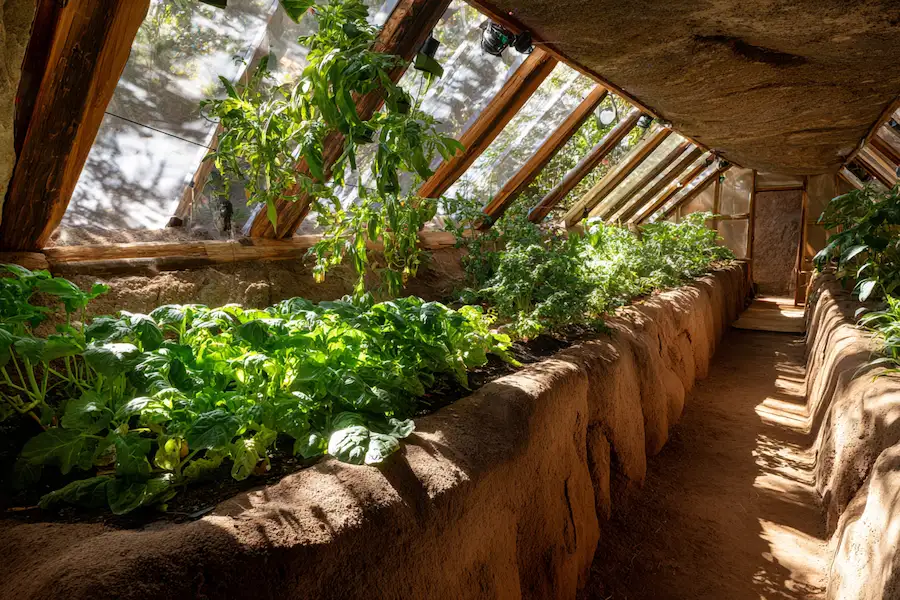
Building a walipini requires planning and physical labor, but the rewards last for decades. With stable temperatures, reduced energy requirements, and reliable harvests, an underground greenhouse is one of the most powerful tools for modern sustainable gardening.
Whether you live in a cold climate or simply want more control over your growing conditions, a walipini can transform the way you produce food.
Disclaimer: Always check local building codes and soil conditions before digging large underground structures. Proper construction and drainage are essential for safety and long-term durability. Inspired by this? Share this article with your friends!


0 Comments:
Enregistrer un commentaire