
Have you ever brushed off a wave of afternoon fatigue, blaming it on age or a poor night’s sleep.
Have you noticed your favorite foods tasting a little different, or your energy dipping sooner than it used to.
For many Americans over 45, these moments feel ordinary, even harmless.
But what if they’re not as innocent as they seem.
What if your body has been whispering warnings long before shouting for help.
Today, we’ll explore the subtle signs of prediabetes, why they’re often missed, and what supportive steps may help you respond sooner rather than later.
The Quiet Problem Most People Miss
Prediabetes often develops without dramatic symptoms.
Blood sugar levels rise slowly, quietly, and comfortably enough to ignore.
That’s exactly why millions of adults live with it for years without realizing it.
You may feel “mostly fine,” yet something underneath is shifting.
And here’s the unsettling part: research suggests many people only act after irreversible damage begins, which raises an important question about timing.
Ignoring early warning signs doesn’t mean they disappear.
They tend to show up in ways that feel unrelated, inconvenient, or easy to explain away.
Dry mouth becomes “just dehydration.”
Blurry vision feels like “getting older.”
But these small changes often share a common thread, and once you see it, you can’t unsee it.
Why Prediabetes Deserves Your Attention Now
Prediabetes is not diabetes, but it is a serious signal.
It means your body is struggling to manage blood sugar efficiently.
Left unaddressed, it may progress toward type 2 diabetes and related complications.
What makes this stage unique is opportunity, because this is when supportive lifestyle changes may have the greatest impact.
You might be thinking, “If it were serious, I’d feel worse.”
That assumption is exactly what makes prediabetes so deceptive.
The body adapts quietly, compensating until it can’t.
And by then, options often feel narrower, which leads us to the signs most people overlook.
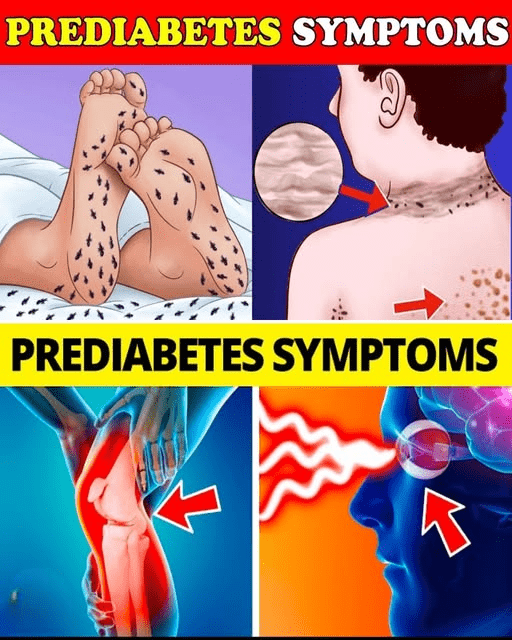
12 Warning Signs That Are Often Overlooked
Each of these signs often appears harmless on its own.
Together, they can paint a clearer picture of what your body may be experiencing.
Notice how many feel familiar as you read, because awareness is the first step forward.
- Frequent thirst, even when you drink enough water
- Increased urination, especially at night
- Persistent fatigue that rest doesn’t fully fix
- Blurry or fluctuating vision
- Slow healing of small cuts or bruises
- Tingling or numbness in hands or feet
- Increased hunger, particularly for carbohydrates
- Unexplained weight changes
- Darkened skin patches around the neck or underarms
- Frequent infections
- Mood changes or brain fog
- Feeling shaky or irritable between meals
If several of these resonate, it doesn’t confirm anything.
But it does suggest your body may be asking for closer attention, and that’s where curiosity becomes empowering.
The Countdown: 9 Supportive Benefits of Acting Early
9. Catching Changes Before They Escalate
Mark, a 52-year-old accountant, noticed he felt drained by noon every day.
Coffee stopped helping, and his focus faded.
After learning about prediabetes signs, he felt relief, not fear.
Early awareness gave him time to explore supportive habits calmly, which many find reduces anxiety around the unknown.
Research suggests early detection may help delay progression.
That sense of control alone can be motivating.
And once you feel empowered, the next benefit becomes even more compelling.


0 Comments:
Enregistrer un commentaire